
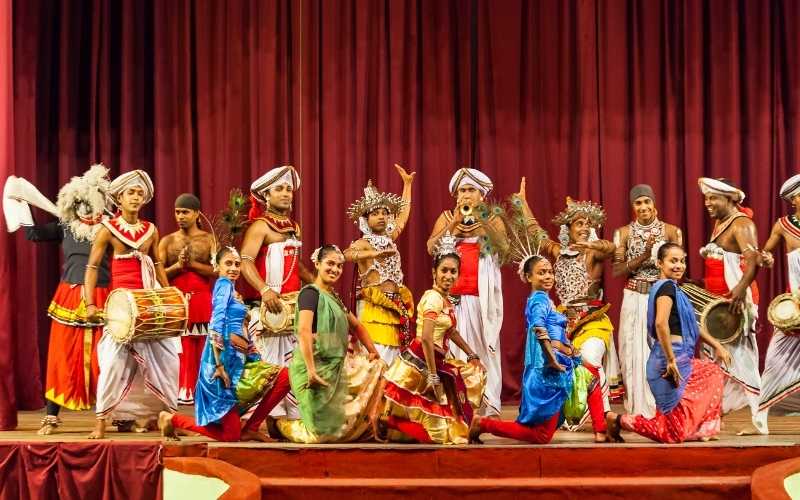
Sri Lanka, often called the “Pearl of the Indian Ocean,” is a treasure trove of cultural heritage spanning over 2,500 years of recorded history. This enchanting island nation boasts eight UNESCO World Heritage Sites, ancient kingdoms that rival the grandest civilizations, and living traditions that continue to thrive in the modern era. From the sacred Buddhist temples of Anuradhapura to the colonial grandeur of Galle Fort, Sri Lanka cultural tours offer an unparalleled journey through time, revealing layers of history, spirituality, and artistic achievement.
The island’s strategic position along ancient trade routes brought influences from India, Arabia, China, and Europe, creating a unique cultural tapestry that defines modern Sri Lankan identity. Whether you’re drawn to the mystical frescoes of Sigiriya, the rhythmic beats of traditional Kandyan dance, or the architectural marvels of ancient irrigation systems, cultural travel Sri Lanka promises transformative experiences that connect visitors with humanity’s shared heritage. This comprehensive guide explores the essential destinations, cultural themes, and authentic experiences that make Sri Lanka one of the world’s premier cultural tourism destinations.
The Cultural Triangle: Heart of Ancient Sri Lanka
Anuradhapura – Sacred Ancient Capital
Anuradhapura stands as Sri Lanka’s first capital and one of the oldest continuously inhabited cities in the world. This UNESCO World Heritage Site served as the political and religious center of Sri Lankan civilization for over 1,300 years, from the 4th century BC to the 11th century AD.
Historical Significance and Cultural Importance
The city’s founding coincides with the introduction of Buddhism to Sri Lanka, making it the spiritual heart of the island’s Buddhist heritage. The sacred Jaya Sri Maha Bodhi tree, grown from a cutting of the original Bodhi tree under which Buddha attained enlightenment, remains the focal point of pilgrimage for Buddhists worldwide.
Key Attractions and Monuments
The Ruwanwelisaya and Jetavanaramaya stupas demonstrate the architectural prowess of ancient Sri Lankan civilization. These massive dome-shaped structures, some reaching heights of over 100 meters, showcase advanced engineering techniques that allowed them to withstand centuries of natural disasters. The Abhayagiri Monastery complex reveals the international character of ancient Sri Lankan Buddhism, with influences from Indian, Greek, and Roman architectural traditions.
Cultural Events and Best Visit Times
The full moon days (Poya days) transform Anuradhapura into a living temple city as thousands of pilgrims arrive for religious observances. The most spectacular celebration occurs during Poson Poya in June, commemorating Buddhism’s arrival in Sri Lanka with elaborate ceremonies and cultural performances.
Photography and Cultural Etiquette
Visitors must dress conservatively, covering their shoulders and knees when entering temple premises. Photography restrictions apply inside certain shrine rooms, and shoes must be removed before entering sacred areas. Dawn and dusk provide the most atmospheric lighting for photography while avoiding the intense midday sun.
Polonnaruwa – Medieval Marvel
Polonnaruwa succeeded Anuradhapura as Sri Lanka’s capital from the 11th to 13th centuries, representing the pinnacle of medieval Sinhalese civilization. This compact archaeological zone concentrates some of the finest examples of ancient Sri Lankan art and architecture.
Historical Significance and Cultural Importance
The city flourished under King Parakramabahu I, whose reign marked the golden age of Sri Lankan civilization. His ambitious irrigation projects, architectural achievements, and cultural patronage established templates for Sri Lankan kingship that influenced subsequent rulers for centuries.
Key Attractions and Monuments
The Gal Vihara rock sculptures represent the apex of Sri Lankan stone carving, with four Buddha statues carved from a single granite outcrop demonstrating extraordinary artistic skill. The Parakramabahu statue, though its exact identity remains debated, symbolizes the power and wisdom of the ancient Sri Lankan monarchy. The Lankathilaka and Watadage structures showcase the evolution of Buddhist architecture, blending Indian influences with distinctly Sri Lankan innovations.
UNESCO World Heritage Status
Recognized for its outstanding universal value in demonstrating the evolution of Buddhist art and architecture in medieval Sri Lanka, Polonnaruwa preserves one of the world’s most complete archaeological records of a medieval Buddhist kingdom.
Transportation and Accessibility
Located approximately 200 kilometers from Colombo, Polonnaruwa is easily accessible by road and rail. The archaeological zone is best explored by bicycle, allowing visitors to cover the extensive site while minimizing environmental impact.
Sigiriya – Lion Rock Fortress
Rising 200 meters above the surrounding plains, Sigiriya represents one of the world’s most remarkable architectural achievements. This 5th-century royal citadel combines military engineering, urban planning, water management, and artistic expression in a single breathtaking complex.
Historical Significance and Cultural Importance
Built by King Kashyapa I as both palace and fortress, Sigiriya demonstrates the sophisticated urban planning and hydraulic engineering of ancient Sri Lankan civilization. The site’s gardens, water features, and architectural elements reveal advanced understanding of landscape design that predates similar European achievements by centuries.
Key Attractions and Monuments
The world-famous Sigiriya frescoes, painted in the 5th century, represent some of the finest surviving examples of ancient Sri Lankan art. These celestial maidens, painted on the sheer rock face, demonstrate sophisticated artistic techniques and provide insights into ancient Sri Lankan court culture. The Mirror Wall, originally polished to reflect the king’s image, contains ancient graffiti that offers glimpses into the thoughts and emotions of visitors from centuries past.
Photography Opportunities and Cultural Etiquette
The climb to the summit requires moderate fitness levels and appropriate footwear. Photography is permitted throughout most of the site, but flash photography is prohibited near the frescoes to prevent damage. Early morning visits provide the best lighting conditions and cooler temperatures for the ascent.
Best Time to Visit
The dry season from November to April offers optimal climbing conditions with minimal rainfall. However, the site’s popularity means early morning visits are essential to avoid crowds and enjoy the best photographic light.
Sacred Cities and Buddhist Heritage
Dambulla – Golden Temple of Cave Art
The Dambulla Cave Temple complex represents the finest collection of Buddhist cave paintings and sculptures in Sri Lanka. This UNESCO World Heritage Site has served as a place of worship for over 2,000 years, with continuous artistic development creating a unique gallery of Buddhist art.
Historical Significance and Cultural Importance
Five separate caves contain over 150 Buddha statues and extensive wall paintings that chronicle the evolution of Buddhist art in Sri Lanka. The site’s significance extends beyond its artistic value, serving as a major pilgrimage destination that connects modern practitioners with ancient traditions.
Key Attractions and Monuments
The largest cave, known as the Maharaja Vihara, contains 56 Buddha statues and extensive ceiling paintings that depict scenes from Buddhist Jataka tales. The artistic styles span different periods, creating a visual timeline of Sri Lankan Buddhist art development. The Temple of the Great King houses a magnificent reclining Buddha statue carved from solid rock, demonstrating the skill of ancient Sri Lankan sculptors.
Traditional Festivals and Cultural Events
The temple comes alive during Vesak celebrations in May, when thousands of oil lamps illuminate the caves, creating an ethereal atmosphere that has remained unchanged for centuries. Local devotees offer flowers, incense, and prayers, maintaining traditions passed down through generations.
Photography Opportunities and Cultural Etiquette
Interior photography requires special permission and additional fees, but the sunrise views from the temple complex offer spectacular photographic opportunities of the surrounding countryside. Visitors must maintain silence within the caves and dress appropriately for this sacred site.
Kandy – Last Kingdom and Cultural Heart
Kandy, Sri Lanka’s last independent kingdom, serves as the cultural capital of the island and is home to Buddhism’s most sacred relic. This UNESCO World Heritage Site perfectly balances historical significance with living cultural traditions.
Historical Significance and Cultural Importance
The city remained independent until 1815, preserving Sri Lankan culture and Buddhist traditions during centuries of colonial pressure. The Temple of the Sacred Tooth Relic (Sri Dalada Maligawa) houses what Buddhists believe to be a tooth of the Buddha, making Kandy the spiritual center of Sri Lankan Buddhism.
Key Attractions and Monuments
The Temple of the Tooth complex showcases the finest examples of Kandyan architecture, with intricate woodwork, elaborate paintings, and gold decorations that represent the pinnacle of Sri Lankan craftsmanship. The Royal Palace Museum provides insights into the lifestyle and governance of Sri Lankan royalty, while the Kandy Lake creates a serene setting that enhances the city’s spiritual atmosphere.
Traditional Festivals and Cultural Events
The Esala Perahera, held annually in July or August, ranks among Asia’s most spectacular cultural festivals. This ten-day celebration features traditional dancers, drummers, fire performers, and elaborately decorated elephants in a procession that has continued uninterrupted for centuries. The festival demonstrates the living continuity of Sri Lankan cultural traditions and attracts visitors from around the world.
Cultural Etiquette and Photography Guidelines
The Temple of the Tooth maintains strict dress codes and behavioral expectations. Photography is permitted in certain areas but prohibited near the inner sanctum containing the sacred relic. Visitors must remove shoes and hats, dress conservatively, and maintain respectful silence during religious ceremonies.
Colonial Heritage and Cultural Fusion
Galle Fort – Dutch Colonial Masterpiece
Galle Fort represents the finest example of European colonial architecture in Asia, demonstrating the cultural fusion that occurred when European powers established trading posts in Sri Lanka. This UNESCO World Heritage Site preserves a complete colonial-era town within its ancient fortifications.

Historical Significance and Cultural Importance
Originally built by the Portuguese in 1588 and extensively fortified by the Dutch, Galle Fort served as the main port for European trade in the Indian Ocean. The fort’s strategic importance continued under British rule, making it a witness to over four centuries of colonial history.
Key Attractions and Monuments
The Dutch Reformed Church, built in 1755, contains tombstones with elaborate carvings that tell stories of colonial life and death in tropical Sri Lanka. The Maritime Museum showcases the region’s seafaring heritage, while the ramparts provide spectacular views of the Indian Ocean and insights into military architecture. The clock tower, lighthouse, and Dutch hospital demonstrate the blend of European engineering with tropical architectural adaptations.
Colonial Legacy and Cultural Fusion
The fort’s narrow streets contain examples of Dutch, Portuguese, and British architectural styles, often modified by local craftsmen who incorporated Sri Lankan decorative elements. This fusion created a unique architectural vocabulary that influenced construction throughout coastal Sri Lanka.
Photography Opportunities and Cultural Etiquette
The fort’s walls provide spectacular sunset photography opportunities, while the interior streets showcase colonial architecture at its finest. The area remains a living community, so visitors should respect residents’ privacy and local customs.
Hill Country Cultural Experiences
Ella and Bandarawela – Traditional Highland Culture
The hill country around Ella and Bandarawela preserves traditional Sri Lankan village culture while showcasing the colonial-era tea plantation heritage that transformed the region’s landscape and demographics.
Historical Significance and Cultural Importance
The British colonial administration introduced tea cultivation in the 1860s, bringing Indian Tamil workers who established distinct cultural communities that continue to enrich Sri Lankan diversity. Traditional Sinhalese villages adapted to highland conditions, developing unique architectural and agricultural practices.
Key Attractions and Cultural Experiences
The Nine Arch Bridge represents British engineering excellence adapted to tropical conditions, while surrounding tea estates demonstrate colonial agricultural systems that continue largely unchanged. Traditional villages showcase highland Sri Lankan architecture, with houses built to withstand monsoon conditions and cool temperatures.
Traditional Arts and Crafts
Local craftsmen continue traditional practices, including woodcarving, metalwork, and textile production, adapted to highland conditions. Tea estate workers maintain cultural traditions through music, dance, and religious practices that blend Indian and Sri Lankan elements.
Best Time to Visit and Transportation
The hill country’s temperate climate makes it comfortable year-round, though the dry season from December to April provides clearer mountain views. The train journey from Kandy to Ella ranks among the world’s most scenic railway routes, offering spectacular views of tea estates, mountain landscapes, and traditional villages.
Traditional Arts, Crafts, and Cultural Expressions
Mask Making and Traditional Crafts
Sri Lankan traditional crafts represent centuries of artistic development, with regional specializations that reflect local materials, cultural influences, and functional needs. These living traditions continue to evolve while maintaining connections to ancient practices.
Traditional Mask Making
The southern coastal region, particularly around Ambalangoda, specializes in traditional mask carving used in Kolam folk dramas and Sanni healing ceremonies. Each mask represents specific characters or demons, with intricate carving and vibrant colors that require years of training to master.
Batik and Textile Arts
Sri Lankan batik combines Indonesian techniques with local artistic sensibilities, creating distinctive patterns and color combinations. Traditional handloom weaving continues in villages throughout the country, producing textiles that blend ancient techniques with contemporary designs.
Wood Carving and Metalwork
Kandy region craftsmen specialize in intricate wood carving used in temple decoration, furniture, and architectural elements. Traditional metalwork includes bronze casting for Buddha statues and ceremonial objects, techniques that have remained largely unchanged for centuries.
Traditional Dance and Music
Sri Lankan performing arts encompass multiple regional traditions, each with distinct costumes, movements, and musical accompaniments that reflect local cultural influences and historical development.
Kandyan Dance Tradition
The classical dance form of the hill country incorporates acrobatic movements, elaborate costumes, and rhythmic drumming that originated in ancient religious ceremonies. Performers undergo years of training to master the precise movements and spiritual significance of each dance.
Low Country and Sabaragamuwa Traditions
Coastal and southern regions developed distinct dance forms that incorporate folk stories, healing ceremonies, and agricultural celebrations. These traditions remain vital parts of community life, performed at religious festivals and cultural celebrations.
Traditional Music and Instruments
Sri Lankan traditional music features unique instruments, including various drums, flutes, and stringed instruments that produce distinctive sounds adapted to local acoustic conditions and cultural preferences.
Festivals and Cultural Celebrations
Major Religious Festivals
Sri Lankan cultural calendar revolves around Buddhist festivals that mark important events in Buddhist history and seasonal agricultural cycles. These celebrations provide opportunities to experience living cultural traditions in their authentic contexts.
Vesak Festival (May)
Commemorating Buddha’s birth, enlightenment, and death, Vesak transforms Sri Lanka into a gallery of artistic expression. Elaborate lanterns, illuminated panels depicting Buddhist stories, and free food distribution demonstrate community cooperation and religious devotion.
Esala Perahera (July/August)
Kandy’s annual procession combines Buddhist religious observance with traditional performing arts in a spectacle that has continued uninterrupted for centuries. The festival demonstrates the integration of religious devotion with cultural expression that defines Sri Lankan Buddhism.
Poson Festival (June)
Celebrating Buddhism’s introduction to Sri Lanka, Poson focuses attention on Anuradhapura and Mihintale, where extensive religious ceremonies and cultural performances recreate historical events that shaped Sri Lankan civilization.
Regional and Cultural Festivals
Local festivals throughout Sri Lanka celebrate regional saints, seasonal changes, and community traditions that provide insights into the diversity of Sri Lankan cultural expression.
Hindu Festivals
Tamil communities celebrate festivals including Thai Pusam and Deepavali with elaborate ceremonies that demonstrate the multicultural character of Sri Lankan society. These celebrations often blend Hindu traditions with local customs, creating unique cultural expressions.
Harvest Festivals
Agricultural communities celebrate seasonal festivals that combine thanksgiving for successful harvests with traditional music, dance, and food preparation that strengthen community bonds and preserve cultural knowledge.
Cultural Etiquette and Respectful Tourism
Buddhist Temple Etiquette
Visiting Buddhist temples requires understanding and respect for religious customs that have guided behavior for centuries. These guidelines ensure that cultural tourism supports rather than disrupts religious practice.
Dress Code and Behavior
Conservative clothing covering shoulders, arms, and legs is mandatory in all temple areas. White clothing is preferred for religious ceremonies, while bright colors should be avoided. Shoes and hats must be removed before entering temple buildings, and socks are recommended for walking on stone surfaces.
Photography Guidelines
Photography restrictions vary by temple, with some areas completely off-limits to cameras. Flash photography is generally prohibited near ancient paintings and sculptures to prevent damage. Always ask permission before photographing religious ceremonies or monks.
Interaction with Monks
Buddhist monks observe strict rules that affect their interaction with visitors, particularly regarding physical contact. Visitors should maintain a respectful distance, avoid loud conversation, and follow guidance from temple attendants regarding appropriate behavior.
Cultural Photography Ethics
Responsible cultural photography requires sensitivity to local customs, privacy concerns, and the impact of tourism on traditional communities.
Portrait Photography
Always request permission before photographing people, particularly in traditional dress or engaged in religious activities. Many communities welcome respectful photography but prefer advance discussion rather than spontaneous picture-taking.
Sacred Site Photography
Some locations restrict photography to preserve the sanctity of religious spaces or protect ancient artwork from damage. Respect these restrictions and consider purchasing official photographs that support site maintenance.
Tailor-made Cultural Itineraries with Mena Tours
3-Day Cultural Highlights Tour
Our expertly crafted short cultural tour focuses on the most accessible and significant cultural sites, perfect for visitors with limited time who want maximum cultural immersion.
Day 1: Kandy Cultural Immersion. Begin your Sri Lanka cultural tours experience in Kandy with visits to the Temple of the Tooth, Royal Botanical Gardens, and traditional craft workshops. Evening cultural show featuring Kandyan dancing provides authentic entertainment with historical context.
Day 2: Dambulla and Sigiriya Early morning departure to Dambulla Cave Temple complex for guided exploration of ancient Buddhist art. Afternoon ascent of Sigiriya Rock Fortress with expert commentary on historical significance and architectural achievements.
Day 3: Cultural Village Experience. A Traditional village visit demonstrates authentic rural life, including traditional cooking, craft demonstrations, and agricultural practices. Return to Kandy with stops at spice gardens and traditional markets.
7-Day Ancient Kingdoms Tour
This comprehensive cultural travel Sri Lanka experience covers the complete Cultural Triangle plus Kandy, providing deep immersion in Sri Lankan heritage with comfortable pacing and expert guidance.
Days 1-2: Anuradhapura Heritage Extensive exploration of the ancient capital with expert guides who explain historical significance and ongoing archaeological discoveries. Accommodation in heritage hotels that reflect local architectural traditions.
Days 3-4: Polonnaruwa and Surroundings Complete exploration of the medieval capital, including bicycle tours through the archaeological zone and visits to nearby traditional villages that maintain ancient agricultural practices.
Days 5-6: Sigiriya and Dambulla Detailed exploration of both sites with optional sunrise climbs, photography workshops, and visits to local craft workshops that demonstrate traditional techniques.
Day 7: Kandy Cultural Finale Temple of the Tooth visit, traditional markets, and cultural performances that synthesize the historical journey with living traditions.
14-Day Complete Cultural Journey
Our most comprehensive cultural tour covers the entire island, providing deep cultural immersion with opportunities for authentic interaction with local communities and extended exploration of specialized interests.
Days 1-4: Cultural Triangle Foundation Extensive exploration of Anuradhapura, Polonnaruwa, Sigiriya, and Dambulla with specialist guides, photography opportunities, and interactions with local communities.
Days 5-7: Kandy and Hill Country Temple visits, traditional craft workshops, tea plantation tours, and village experiences that demonstrate highland cultural adaptations.
Days 8-10: Southern Heritage Galle Fort exploration, traditional mask-making workshops, and coastal cultural experiences that demonstrate colonial and maritime heritage.
Days 11-12: Western and Northern Experiences Negombo fishing culture, Colombo museums and galleries, and optional extensions to Jaffna for Tamil cultural experiences.
Days 13-14: Cultural Synthesis Return visits to preferred sites, shopping for traditional crafts, and cultural performances that celebrate the diversity of Sri Lankan heritage.
Traditional Cuisine and Cultural Significance
Culinary Heritage
Sri Lankan cuisine reflects the island’s cultural diversity, trade history, and agricultural abundance. Understanding food culture provides insights into social customs, religious practices, and regional variations that define Sri Lankan identity.
Rice and Curry Culture
The traditional meal structure of rice with multiple curry dishes demonstrates Buddhist principles of balance and variety. Spice combinations reflect ancient trade connections, while cooking methods preserve nutritional value in tropical conditions.
Festival Foods
Special dishes prepared for religious and cultural festivals carry symbolic meanings related to prosperity, purification, and community sharing. These foods often require extensive preparation that brings communities together in celebration.
Regional Specialties
Different regions developed distinct culinary traditions based on local ingredients, cultural influences, and historical factors. Coastal areas emphasize seafood and coconut, while hill country cuisine features vegetables and dairy products introduced during the colonial period.
Practical Information and Planning
Best Times for Cultural Tours
Cultural site visits require consideration of weather conditions, festival calendars, and crowd levels to optimize experiences and minimize discomfort.
Seasonal Considerations
The dry season from November to April provides optimal conditions for outdoor site visits, with minimal rainfall and comfortable temperatures. However, this peak season means larger crowds and higher accommodation costs.
Festival Timing
Planning visits around major festivals provides extraordinary cultural experiences but requires advance booking and higher budgets. Festival periods also mean restricted access to certain sites due to religious observances.
Photography Considerations
Different seasons provide varying light conditions and landscape appearances. Monsoon seasons create dramatic skies and lush landscapes, while dry seasons offer clearer visibility and easier site access.
Transportation and Accessibility
Sri Lanka’s cultural sites are connected by good transportation networks, though some require special arrangements for optimal experiences.
Private Transportation Benefits
Private vehicles with knowledgeable drivers provide flexibility for photography stops, cultural interactions, and schedule adjustments that enhance cultural touring experiences. Mena Tours specializes in cultural tour transportation with drivers trained in cultural site significance and photography assistance.
Public Transportation Experiences
Train travel between cultural sites offers opportunities for cultural interaction and scenic experiences that are part of the cultural journey. The Cultural Triangle bus services connect major sites economically, though with less flexibility.
Walking and Cycling Options
Many cultural sites benefit from walking or cycling exploration that allows detailed examination and peaceful contemplation, impossible with vehicle tours. Bicycle rentals are available at most major cultural sites.
Cultural Preservation and Sustainable Tourism
Supporting Cultural Heritage
Responsible cultural tourism supports preservation efforts and local communities while providing authentic experiences that benefit visitors and hosts equally.
Entrance Fee Contributions
UNESCO World Heritage site entrance fees directly support conservation efforts, archaeological research, and community development projects that maintain sites for future generations.
Local Guide Employment
Hiring certified local guides ensures accurate cultural interpretation while supporting communities economically. These guides often provide insights and stories unavailable in guidebooks or audio tours.
Traditional Craft Purchases
Buying authentic traditional crafts directly from artisans supports skill preservation and provides economic incentives for young people to learn traditional techniques rather than abandoning them for modern employment.
Conclusion: Embark on Your Cultural Journey
Sri Lanka’s cultural heritage represents one of humanity’s greatest treasures, combining artistic achievement, spiritual depth, and historical significance in landscapes of extraordinary beauty. From the sacred stupas of Anuradhapura to the colonial elegance of Galle Fort, every site tells stories that connect modern visitors with timeless human aspirations for meaning, beauty, and transcendence.
The island’s living culture continues to evolve while maintaining connections to ancient wisdom and artistic traditions that have survived centuries of change. Cultural travel in Sri Lanka offers transformative experiences that expand understanding of human creativity, spiritual expression, and cultural adaptation in ways that enrich personal perspectives long after returning home.
Whether you’re drawn to Buddhist philosophy, architectural marvels, traditional arts, or simply the joy of discovering new ways of seeing the world, Sri Lanka cultural tours provide pathways to understanding that few destinations can match. The key to meaningful cultural travel lies in approaching these experiences with respect, curiosity, and openness to learning from communities that have preserved these treasures through countless generations.
Ready to explore Sri Lanka’s incredible cultural heritage? Let Mena Tours guide you through an authentic cultural journey that respects traditions while creating unforgettable memories.
🏛️ Experience Authentic Culture with Mena Tours
As Sri Lanka’s premier cultural tour specialists, Mena Tours combines deep local knowledge with respectful cultural practices to create meaningful heritage experiences. Our cultural tour expertise ensures you discover the authentic spirit of Sri Lankan civilization while supporting local communities and conservation efforts.
Our Cultural Tour Expertise Includes:
- Expert Cultural Guides – Certified guides with specialized knowledge in Buddhist history, archaeology, and local traditions
- UNESCO World Heritage Tours – Complete coverage of all 8 UNESCO sites with historical context and cultural significance
- Traditional Festival Experiences – Authentic participation in religious ceremonies and cultural celebrations
- Customized Cultural Itineraries – Tailor-made tours focusing on your specific cultural interests and time frame
- Cultural Etiquette Training – Proper protocols for temple visits, photography, and cultural interactions
- Authentic Cultural Immersion – Village visits, craft workshops, and traditional meal experiences
- Sacred Site Access – Special arrangements for restricted areas and religious ceremonies
- Cultural Photography Tours – Expert guidance for respectful cultural photography with proper permissions

Why Choose Mena Tours for Cultural Travel?
✅ Deep Cultural Knowledge – Local experts with an intimate understanding of Sri Lankan heritage and traditions
✅ Respectful Tourism Practices – Culturally sensitive approaches that support preservation and local communities
✅ Authentic Experiences – Access to traditional villages, ceremonies, and cultural practices beyond typical tourist routes
✅ Expert Archaeological Guidance – Professional interpretation of historical sites and ancient civilizations
✅ Cultural Festival Access – Exclusive arrangements for major religious and cultural celebrations
✅ Traditional Craft Workshops – Direct interaction with master craftsmen in authentic settings
✅ Spiritual Journey Support – Guidance for meaningful engagement with Buddhist traditions and sacred sites
Sample Cultural Tour Packages:
🏛️ 3-Day Cultural Highlights – Kandy, Dambulla, Sigiriya cultural immersion
🏛️ 7-Day Ancient Kingdoms – Complete Cultural Triangle with expert archaeological guidance
🏛️ 14-Day Heritage Journey – Comprehensive island cultural experience with authentic local interactions
🏛️ Festival Special Tours – Esala Perahera, Vesak, and other major cultural celebrations
🏛️ UNESCO World Heritage Tour – All 8 UNESCO sites with specialized historical interpretation
📞 Begin Your Cultural Journey Today:
WhatsApp: +94774387600
Email: subodha8514@gmail.com
Discover the soul of Sri Lanka through authentic cultural experiences with Mena Tours – Your trusted partner for meaningful heritage travel that honors tradition while creating lasting memories.
Frequently Asked Questions About Sri Lanka Cultural Tours
Q: What is the best time to visit Sri Lanka’s cultural sites? A: November to April offers optimal weather for Cultural Triangle sites, while hill country destinations like Kandy are comfortable year-round. Festival seasons provide extraordinary experiences but require planning.
Q: How should I dress when visiting Buddhist temples? A: Conservative clothing covering shoulders, arms, and legs is required. White clothing is preferred, shoes must be removed, and hats should be avoided in temple premises.
Q: Can I photograph inside ancient temples and cultural sites? A: Photography policies vary by site. Many allow exterior and some interior photography, but flash photography is generally prohibited near ancient artwork. Always ask permission and respect restrictions.
Q: How long should I allow for a comprehensive cultural tour? A: A minimum of 7 days covers the major Cultural Triangle sites and Kandy. Two weeks allows for complete island exploration including colonial heritage and traditional villages.
Q: Are cultural sites accessible for elderly visitors or those with mobility limitations? A: Most major sites have varying accessibility levels. Sigiriya requires climbing, while Anuradhapura and Polonnaruwa can be explored by vehicle. Mena Tours can customize itineraries based on individual needs.
Q: What makes Mena Tours different for cultural touring? A: Our guides specialize in cultural interpretation with deep knowledge of Buddhist history, local traditions, and archaeological significance. We emphasize respectful cultural engagement and authentic community interactions.
